
NDIS podiatry for complex foot deformities in Liverpool

Orthotics aren’t automatically funded just because they’re recommended. NDIS podiatry for complex foot deformities in Liverpool may include orthoses when they address needs related to the participant’s disability, and therapeutic devices require prior approval. The NDIS lists orthoses as an example of assistive technology for foot care.
It’s understandable to want clear answers before planning treatment, especially when a foot deformity affects comfort, balance or everyday mobility. Funding depends on the connection between the support, the participant’s disability and their plan. A thorough assessment and a clear explanation of the intended benefit are important.
This guide explains how podiatry assessments and care plans can address complex foot needs, what may influence NDIS funding for custom orthotics, and how to access care in Liverpool. You’ll also learn how home visits work and what affects their cost, including the difference between NDIS price limits and a provider’s fees.
Table of Contents
Podiatry assessments and care plans
An assessment connects foot-care needs with the participant’s disability and goals. For complex deformities, a podiatrist examines foot shape, skin, toenails, pressure areas and mobility. The participant can describe difficulties with standing, walking, footwear or personal care. These details show how foot symptoms affect daily activities and what support may help.
At an initial appointment, the podiatrist may examine both feet, ask about medical history and observe movement. For example, a participant with severe flat feet might report pain during transfers or difficulty walking around home. The podiatrist can document the functional impact, current care needs and recommended supports, helping explain how foot care relates to the participant’s disability and NDIS plan.
A care plan should describe practical needs, not just a diagnosis. It can set out assessment findings, treatment recommendations and how each support relates to daily function. Nail and skin care may be relevant when a participant cannot manage these tasks safely or independently. Support workers cannot cut a participant’s toenails or remove calluses under the NDIS. A podiatrist can assess these needs and provide professional foot care.
Diabetes is another reason to assess foot health carefully. A podiatrist can examine skin, toenails and pressure areas, then document concerns and care recommendations. A Diabetes Foot Assessment can help identify issues that need professional attention. Recommendations should relate to the participant’s disability and specific support needs, rather than treating every foot-care task as automatically NDIS-funded.
For children under 9 in Australia, podiatry may be part of the NDIS early childhood approach, according to the National Disability Insurance Agency. The assessment can describe how a foot condition affects movement, participation and everyday routines. Eligible podiatry patients with a GP referral and an Enhanced Primary Care plan can receive a Medicare rebate for up to 5 podiatry sessions per year, according to Services Australia. That Medicare pathway is separate from disability-related NDIS supports.
Delaying an assessment may leave pain, skin changes or mobility difficulties without a documented care plan. Seek urgent medical care for sudden severe symptoms, a rapidly changing foot, or an open wound with spreading redness or discharge. For other ongoing concerns, a podiatrist can assess the deformity and document its effects on mobility and personal care.
Useful details for an assessment include:
The participant’s NDIS plan goals and current foot-care supports.
Examples of difficulty with walking, standing, footwear or toenail care.
Relevant medical history, including diabetes and previous foot treatment.
How can clients choose an NDIS podiatry provider near them?
Start by identifying the participant’s NDIS plan management type. It affects which podiatry providers they can use and how invoices are paid. NDIA-managed funding requires a registered NDIS provider. Plan-managed and self-managed participants can usually choose registered or unregistered providers. Knowing the management type helps narrow the options before arranging an appointment.
For NDIA-managed or plan-managed funding, the NDIA sets maximum prices for podiatry services. A provider’s charge must stay within the applicable limit. Self-managed participants can negotiate prices directly with their provider. In every case, the plan needs to include funding relevant to the proposed support, and records should clearly explain the participant’s disability-related foot-care needs.
Plan management also determines how payment is handled. With NDIA-managed funding, the provider claims through the NDIS. With plan-managed funding, invoices go to the plan manager for payment from the participant’s plan. Self-managed participants manage payment themselves and claim eligible expenses through their funding arrangements. Before booking, clarify the proposed service, its connection to the plan and who handles the invoice.
A useful conversation with a provider focuses on the participant’s goals and daily living needs. Explain whether the foot problem affects walking, transfers, footwear or managing foot care. For wound management, describe the support needed and its effect on everyday activities. A referral can communicate clinical concerns, while the NDIS plan helps identify relevant goals and funded supports.
Plan budgets are divided according to the supports approved for the participant. Podiatry funding must relate to disability support needs, rather than general foot care alone. Some low-cost podiatry items costing under A$1,500 may be funded from the NDIS Core budget under Consumables, depending on the item and the participant’s plan. This does not mean every item or appointment is automatically covered.
NDIA-managed: Use a registered provider and follow the plan’s relevant funding.
Plan-managed: The plan manager processes invoices, with provider choice generally broader.
Self-managed: The participant manages payments and can usually choose registered or unregistered providers.
Before an appointment, organise the plan details, goals and a clear description of the foot-care need. This helps connect the proposed podiatry support with the participant’s disability and daily living outcomes. For participants looking to align their clinical healthcare with everyday living supports, Pursue Ability offers tailored disability services that complement individual care plans. The provider can explain the service and payment steps for that management type, so the participant understands how the booking will be funded.
Does the NDIS fund orthotics?
NDIS funding may cover orthoses when they address a participant’s disability-related foot-care needs. The NDIS lists orthoses and medical grade footwear as examples of assistive technology for foot care. Therapeutic devices require prior approval, so a recommendation alone doesn’t establish funding. The assessment should explain the participant’s functional needs and how the proposed support addresses them.
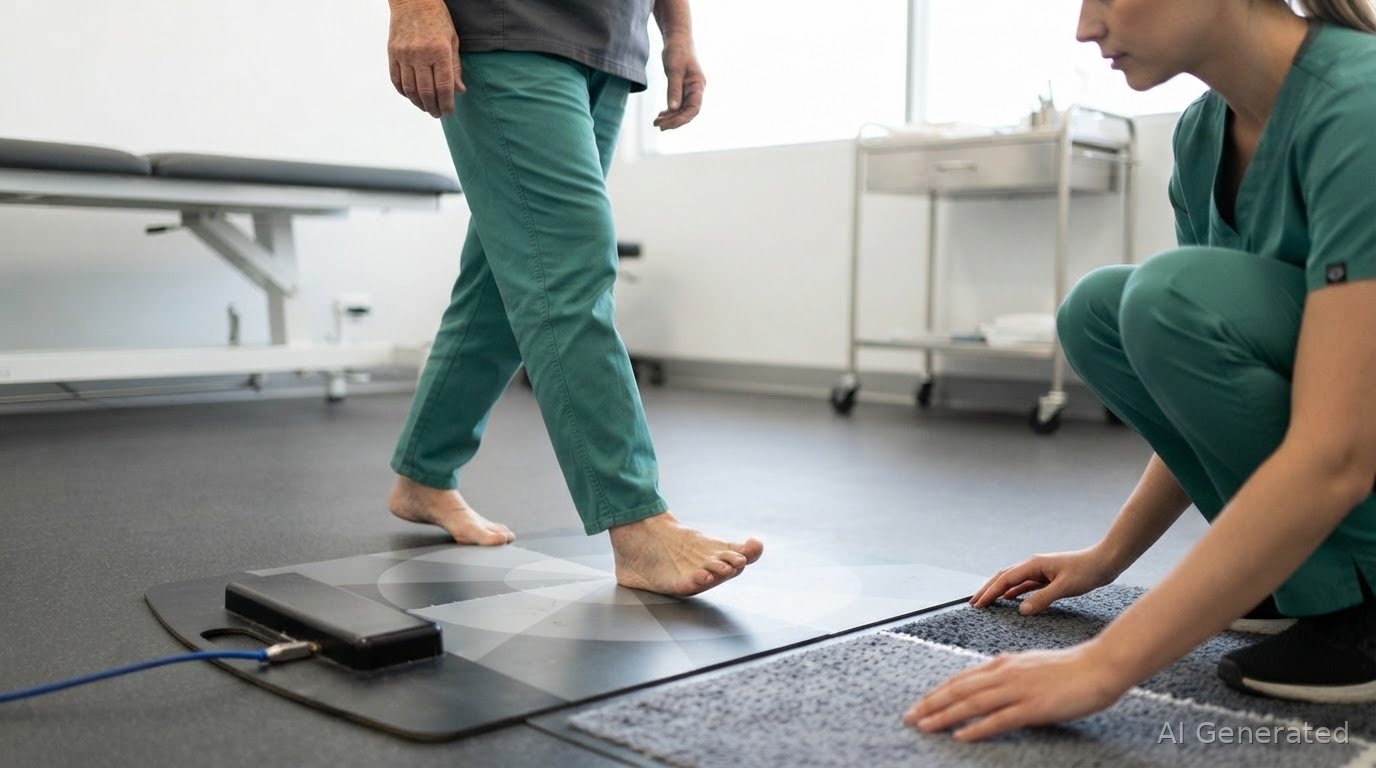
A biomechanical assessment can help build that evidence. At a Moorebank clinic, the assessment looks at how the feet, ankles, knees and hips work together during movement. The podiatrist considers how the participant stands and walks, and how a complex deformity affects those actions. For people seeking NDIS podiatry for complex foot deformities in Liverpool, these findings help connect a recommendation to practical needs.
Footwear also matters. The podiatrist can assess how the participant’s current shoes accommodate their foot shape and whether footwear affects comfort or movement. For instance, a deformity may make a standard shoe difficult to wear. The assessment can document this practical issue alongside movement findings. Medical grade footwear is an example of assistive technology identified by the NDIS, but funding remains tied to the individual’s disability-related support needs.
Custom orthotics should be recommended for a specific functional purpose, not simply because a foot looks different. The clinical explanation can describe the deformity, its effect on standing or walking, and how the proposed orthoses relate to the participant’s needs. If foot position affects balance or walking, the podiatrist can document observed movement and relevant goals. This helps make a request for NDIS podiatry for complex foot deformities in Liverpool specific by clarifying the device’s intended role.
Useful assessment information may include:
The participant’s foot structure and relevant deformity.
How standing, walking or footwear use is affected.
The purpose of the proposed orthoses or medical grade footwear.
How the support relates to the participant’s disability and NDIS goals.
Approval should come before the participant purchases or receives a therapeutic device, because NDIS therapeutic devices require prior approval. The assessment and supporting information should clearly explain the requested device, its intended use and its disability-related purpose. Funding isn’t automatic: both the plan’s available supports and the approval process matter.
For a participant with diabetes, foot health may also inform decisions about orthotic support. A Diabetes Foot Assessment can consider foot-care needs alongside the person’s broader clinical picture. The podiatrist can explain whether the findings support a recommendation and document how proposed orthoses relate to movement or daily function. This keeps the request focused on individual needs rather than a general preference for custom footwear.
For complex foot deformities, a thorough biomechanical assessment connects clinical findings with practical tasks. The clearest recommendation describes the difficulty observed, the support proposed and its intended role in the participant’s daily life. This makes an NDIS funding request more specific and relevant.
Podiatry home visit costs and NDIS price limits
A home visit’s cost depends on the assessment and care required, appointment duration and travel arrangements. Active Foot Care provides a quote for the requested service. This helps separate the clinical appointment from other factors that may affect the cost. A complex foot deformity may require different assessment and treatment considerations from routine podiatry care.
The NDIS national price limit for podiatry home visits applies to the 2026-27 pricing schedule. It sets a maximum price for relevant supports when funding is NDIA-managed or plan-managed. It is a ceiling, not a promise that every home visit costs that amount. Self-managed participants can negotiate prices directly with their provider, as described in the plan management rules.
Management type affects how an invoice is handled. For NDIA-managed funding, participants must use a registered provider, and NDIA price limits apply. With plan-managed funding, the plan manager processes invoices, and the relevant price limits also apply. Self-managed participants manage payment themselves and can negotiate directly with a provider. The participant’s plan still needs to connect the support to disability-related needs.
Before a home appointment, clarify what the quote covers. A useful breakdown identifies the podiatry service, appointment length and any travel component. This helps explain what the charge relates to, rather than comparing a home visit with a clinic appointment as though they were identical. The care required and setting can differ.
For example, a participant with limited mobility may need an assessment at home because travelling to a clinic is difficult. The podiatrist can assess the deformity, the participant’s movement and the foot-care support required. When requesting a quote, describe the appointment’s purpose and the home location so the estimate reflects the service being arranged.
Medicare is a separate funding pathway from NDIS podiatry services. Participants shouldn’t assume that a Medicare rebate and NDIS funding apply to the same appointment. The relevant funding depends on eligibility, plan arrangements and the purpose of care. Keeping the funding pathway clear helps avoid confusion about who pays the provider.
When reviewing a proposed home-visit cost, focus on the service details, not only the headline price. Check that the appointment type and any travel component are clear, then consider how payment fits the participant’s plan management. The key distinction is that an NDIS price limit is a maximum for applicable managed funding, while the quote reflects the requested home podiatry care.
Do Liverpool podiatry clinics treat complex deformities?
Podiatry clinics in Liverpool can assess how complex foot deformities affect movement and foot-care needs. Examples include clubfoot, Charcot foot and severe flat feet. An assessment considers the individual’s foot structure, skin, nails, standing and walking. It helps identify practical concerns such as discomfort, difficulty wearing footwear or changes to everyday mobility.
Assessment is different from correcting a deformity. A podiatrist can examine function and discuss appropriate podiatry support, while broader management depends on the participant’s clinical needs. For NDIS-funded care, the proposed support must relate to the participant’s disability. A diagnosis alone doesn’t explain how podiatry support connects to daily activities or plan goals.
A biomechanical assessment can add detail about movement. At a Moorebank clinic, the podiatrist looks at how the feet, ankles, knees and hips work together during movement. For severe flat feet, this can help describe how foot position affects walking or standing. With clubfoot or Charcot foot, the assessment records relevant findings and functional concerns, rather than assuming the same support suits everyone.
Footwear and skin are also important parts of an assessment. A podiatrist can consider how shoes fit around a deformity and whether foot-care needs require attention. For example, an altered foot shape may affect how footwear sits or create areas that need monitoring. These findings can inform recommendations and documentation, including whether orthoses or medical grade footwear may be relevant assistive technology.
Useful information for the appointment includes:
The condition name, such as clubfoot, Charcot foot or severe flat feet.
Examples of difficulty with walking, standing, footwear or foot care.
Relevant NDIS plan goals and the effect of the deformity on daily activities.
Existing clinical information that helps explain current support needs.
Clear documentation matters for NDIS requests. It should connect assessment findings with the participant’s functional needs and explain the purpose of any recommended support. Therapeutic devices require prior approval, so an orthotic recommendation shouldn’t be treated as automatic funding approval. The participant’s plan and the disability-related purpose remain central to the funding decision.
For a complex deformity, the helpful question is not only whether a clinic recognises its name. Consider whether the assessment records movement, footwear concerns and daily impacts in a way that informs podiatry care. If you need professional guidance about a foot deformity, arrange an assessment to discuss the participant’s needs.
Active Foot Care: NDIS Podiatry Services
Active Foot Care provides NDIS Podiatry Services for participants needing professional support with disability-related foot-care needs. An assessment can help clarify how a complex deformity affects movement and everyday activities, and what podiatry care may be relevant to the participant’s goals.
Depending on the participant’s needs, care may include a Podiatrist Home Visit, Diabetes Foot Assessment or Custom Orthotics. These services can support people who need care at home, have diabetes-related foot-care needs or require orthotic assessment. NDIS funding depends on the relationship between the support, the participant’s disability and their plan.
If you’re considering podiatry support for a complex foot deformity, contact Active Footcare to discuss the participant’s needs and arrange the next step.
Take the next step towards comfortable movement
For families considering NDIS podiatry for complex foot deformities in Liverpool, start with the activity the participant most wants to manage comfortably. It might be walking around home, putting on footwear or taking part in a regular routine. Connecting podiatry support to a meaningful daily goal keeps planning focused on the person, not just the foot condition.
Before an appointment, note how the deformity affects that activity and what support the participant hopes to discuss. These details give the podiatrist a clearer starting point for a considered conversation about care. Funding decisions remain separate from clinical recommendations, but a clear account of the participant’s needs helps explain why support matters.
For guidance on the next step, contact Active Foot Care. With a clear goal and professional support, planning can feel more manageable.
Frequently Asked Questions
What foot care does NDIS Podiatry in Liverpool include?
NDIS podiatry can address foot-care needs connected to a participant’s disability and plan. Depending on assessed needs, this may involve professional care for skin, nails and pressure areas, movement assessment or diabetic foot health. For example, a participant who can’t manage foot care independently may need podiatry support documented in functional terms. The service depends on the participant’s needs and available plan funding.
Do podiatrists do home visits in Liverpool?
Yes, Podiatrist Home Visits are available in Liverpool. A home appointment can suit someone whose mobility, health or daily support needs make travelling to a clinic difficult. The podiatrist can assess foot-care needs at home and discuss relevant support. Active Footcare provides Podiatrist Home Visits, including for NDIS clients. The funding arrangement and service requirements remain relevant when planning an appointment.
Which Liverpool NSW podiatrists provide NDIS-funded care for complex foot deformities?
Active Footcare provides NDIS Podiatry Services in Liverpool for self-managed and plan-managed participants. Services include assessment and care for foot needs, considered in relation to the participant’s disability and plan. For a deformity such as clubfoot or severe flat feet, explain how it affects movement or daily activities. This frames the appointment around practical needs rather than the diagnosis alone.
What NDIS podiatry supports can be funded for complex foot deformities?
NDIS funding may cover podiatry supports when they relate to the participant’s disability and plan. For a complex deformity, relevant support could include clinical assessment, foot care or consideration of orthoses. The key is the purpose: support should address disability-related needs, not general foot care alone. A recommendation should explain the functional issue, such as difficulty walking or managing foot care at home.
Can NDIS funding cover custom orthotics, footwear, braces, or other podiatry equipment?
Orthoses and medical grade footwear are examples of assistive technology identified by the NDIS for foot-care needs. Therapeutic devices require prior approval, and funding depends on the participant’s disability-related needs and plan. Individually manufactured and tailored custom orthotics may be considered when an assessment explains their purpose. Don’t assume braces or other equipment are automatically covered; the request should identify the specific device and its role in supporting the participant.
What evidence and reports are needed to request NDIS funding for podiatry or assistive technology?
Useful supporting information explains the foot condition, its functional effects and the purpose of the requested support. A podiatry report can record assessment findings, relevant movement or footwear concerns, and their effects on daily activities. For custom orthotics, the report should describe the proposed device and why it relates to the participant’s disability. Clear examples, such as difficulty standing during daily routines, make the connection easier to understand.
How do NDIS-managed, plan-managed, and self-managed participants access podiatry in Liverpool?
NDIA-managed participants need to use a registered NDIS provider. Plan-managed participants can generally choose registered or unregistered providers, with invoices handled by their plan manager. Self-managed participants can usually choose either type and manage payments themselves. In Liverpool, first identify the participant’s management type, then confirm the podiatry support relates to their plan. This clarifies provider eligibility and payment arrangements before booking.
How can clients check an NDIS-registered podiatrist near Liverpool, NSW, for availability and suitability?
For NDIA-managed funding, the podiatrist must be a registered NDIS provider; podiatrists also need current professional registration through the Podiatry Board of Australia and AHPRA. Suitability depends on whether the practitioner can assess the participant’s deformity and explain its functional effects. Active Footcare provides NDIS Podiatry Services in Liverpool. Discuss the participant’s needs and appointment requirements when arranging care.

Comments