
Hypermobility podiatry in Campbelltown for foot and ankle care

Hypermobility can affect how the feet and ankles move, placing extra demands on the legs and influencing comfort when walking. A podiatrist specializing in hypermobility in Campbelltown can assess lower-limb biomechanics, including how the foot, ankle, knee and hip move and bear load, then discuss suitable ways to manage foot, ankle and shin concerns. Assessment may include non-invasive gait analysis and, where appropriate, individually manufactured, tailored orthotics.
If pain, fatigue or a sense of instability is making everyday movement harder, understanding how your joint movement and walking pattern relate to your symptoms can be a useful first step. A podiatry assessment can explore those factors and discuss management options suited to your needs. Podiatry may form part of care for foot and lower-limb concerns associated with hypermobility.
Table of Contents
Orthoses, braces and footwear advice
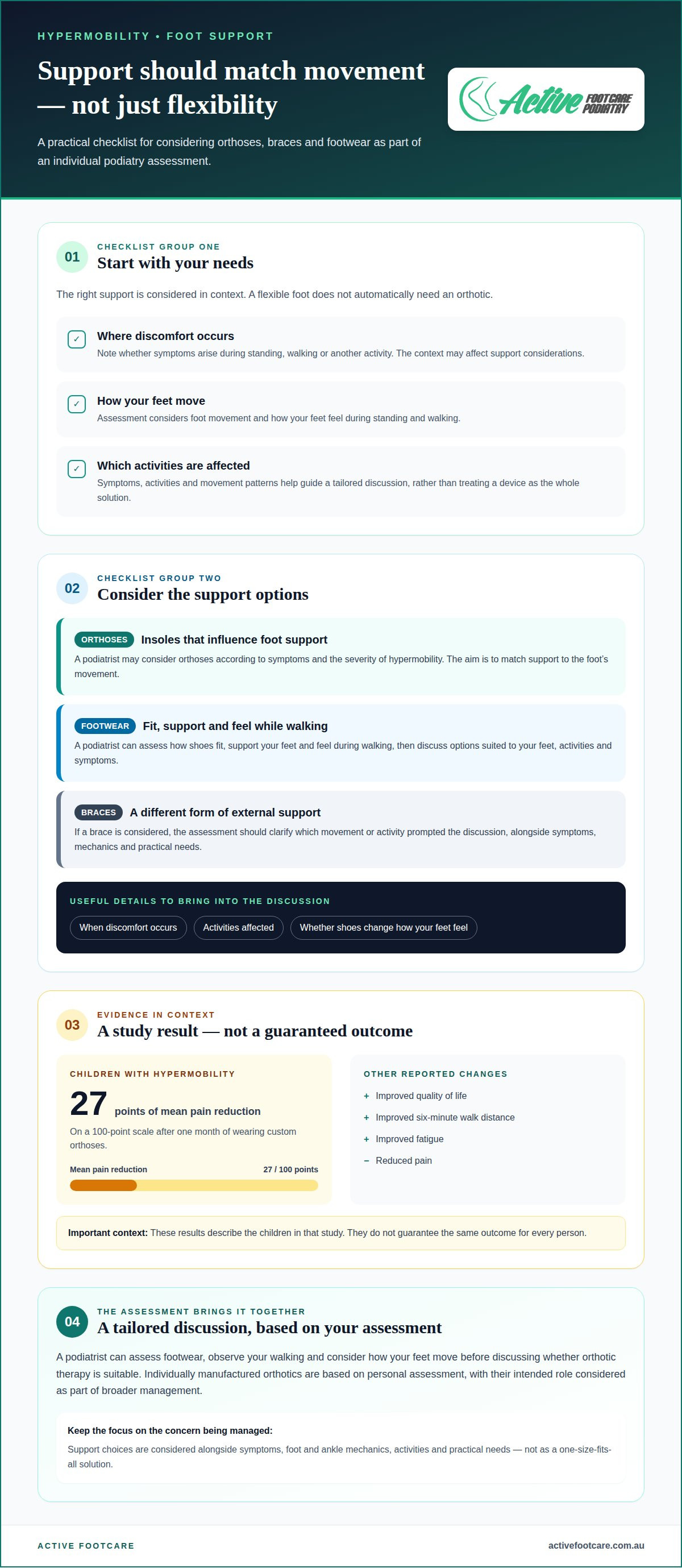
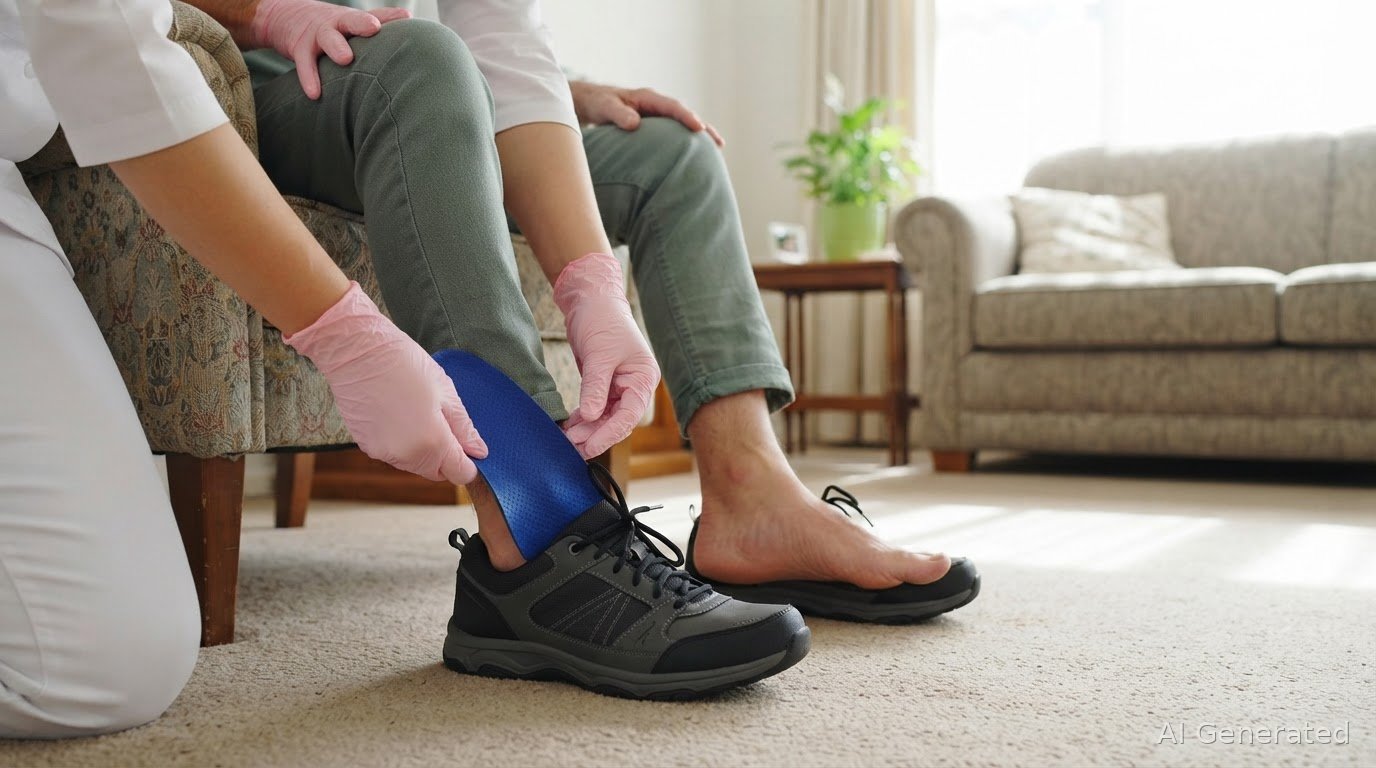
Orthoses are insoles designed to influence how the foot is supported during standing and walking. For hypermobility, a podiatrist may consider them according to its severity and the person’s symptoms. The aim is to match support to the foot’s movement, rather than assume every flexible foot needs an orthotic. The NHS notes that special insoles, also called orthotics, may help support joints.
Footwear can be considered as part of the assessment. A podiatrist can examine how shoes fit, support your feet and feel during walking, then discuss supportive options. If symptoms build during longer walks, for example, the assessment can consider whether shoe fit or support may be relevant. Advice is tailored to your feet, activities and symptoms, rather than based on one shoe choice for everyone.
Custom orthoses are made to suit an individual’s feet and clinical needs. A study in children with hypermobility associated one month of wearing custom orthoses with a mean pain reduction of 27 points on a 100-point scale. The study also reported improved quality of life, six-minute walk distance and fatigue, alongside reduced pain after one month. These results describe the children in that study, rather than a guaranteed outcome for every person.
Assessment findings can inform a discussion about orthotic therapy, but they do not replace an individual evaluation. A podiatrist considers where discomfort occurs, how your feet move and which activities are affected. Discomfort during standing, for instance, may call for different support considerations from symptoms during walking. Individually manufactured, tailored orthotics are based on personal assessment, and the podiatrist can explain their intended role in your broader management plan.
Braces and orthoses are different forms of external support. If a brace is being considered, the assessment should identify the movement or activity prompting that discussion. The clinician can then consider your symptoms, foot and ankle mechanics, and practical needs. Flexible ligaments may provide less structural support around joints, so the purpose of any device should be clear and linked to the concern being managed.
A comprehensive review brings these details together. The podiatrist can assess your footwear, observe your walking and discuss whether orthotic therapy is suitable. Useful details include when discomfort occurs, which activities are affected and whether shoes change how your feet feel. They help guide a tailored discussion about insoles, custom orthotics or other support, rather than treating a device as the whole solution.
A podiatrist can assess footwear and discuss supportive shoes for people with hypermobile feet and legs, matching shoe support to individual needs.
Podiatric assessment of lower-limb biomechanics
A podiatrist assesses how the foot, ankle, knee and hip move and take load. The findings help connect walking patterns with discomfort or injury.
Foot, ankle and leg assessment
The clinician examines foot posture, joint movement and how the ankle and leg work together. They consider where symptoms occur, which activities bring them on and whether movement changes with standing or walking. For example, an athlete reporting ankle discomfort during running may benefit from assessment of both foot mechanics and lower-limb loading. This broader view helps identify relevant movement patterns.
For a Campbelltown or Macarthur appointment, look for podiatry care that assesses hypermobility-related biomechanics, not only the painful spot. This section explains the assessment approach; it does not provide a directory of local clinics.
Podiatry assessment and diagnosis
A podiatrist takes a history of your symptoms and activities, then examines relevant foot and ankle movements. The assessment can help identify whether a foot or ankle condition is contributing to your concern. It can also help distinguish a movement pattern from a specific injury, guiding appropriate podiatry care.
Patients arrange appointments through the clinic’s booking process. Clinic locations and opening hours vary, so use the appointment information for the chosen practice when planning a visit. Bring relevant symptom and activity details to help the practitioner understand the concern.
Walking assessment and gait analysis
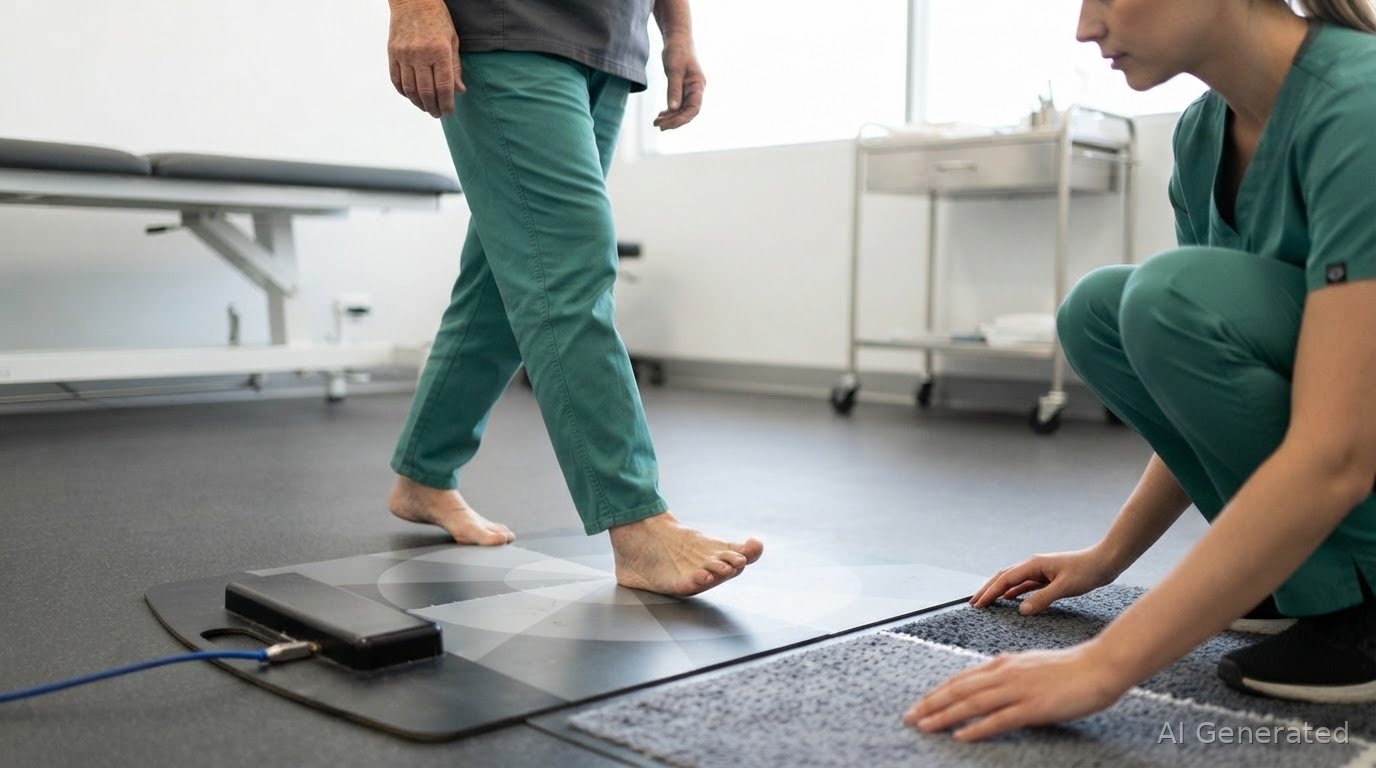
Observing someone walk can show how their feet contact the ground and how their legs respond through each step. A gait analysis provides a non-invasive, in-depth examination and assessment of the way you walk or run. The podiatrist can relate observations to your symptoms, such as ankle discomfort during a run or difficulty walking comfortably.
Gait analysis considers the whole movement pattern rather than treating one observation as a diagnosis. The podiatrist interprets what they see alongside the clinical examination and your reported symptoms. This can help clarify whether walking mechanics may contribute to an injury or ongoing discomfort.
Children’s foot assessments
For children, the podiatrist considers foot and leg movement alongside the activities that matter to them, such as sport, play or walking to school. A child’s symptoms and function guide the assessment. Clear explanations help families understand the findings and next steps without assuming that every flexible joint needs treatment.
For active adults and athletes, assessment can focus on movements linked to training or daily demands. The podiatrist brings together your reported symptoms, physical findings and walking or running observations. This provides a basis for discussing care, including whether further assessment of foot and ankle biomechanics is appropriate.
Foot, ankle and shin musculoskeletal conditions
Hypermobility can affect foot function and place extra demands on the muscles supporting the lower limb. Podiatry considers how symptoms, joint movement and daily activities fit together.
Adult and child foot and lower-leg pain
Foot, ankle and shin discomfort can affect adults and children differently, depending on movement and activity. A podiatrist assesses the affected area alongside your walking, symptoms and relevant activities. Shin pain during sport and ankle discomfort during everyday walking, for example, each provide useful context for understanding the concern.
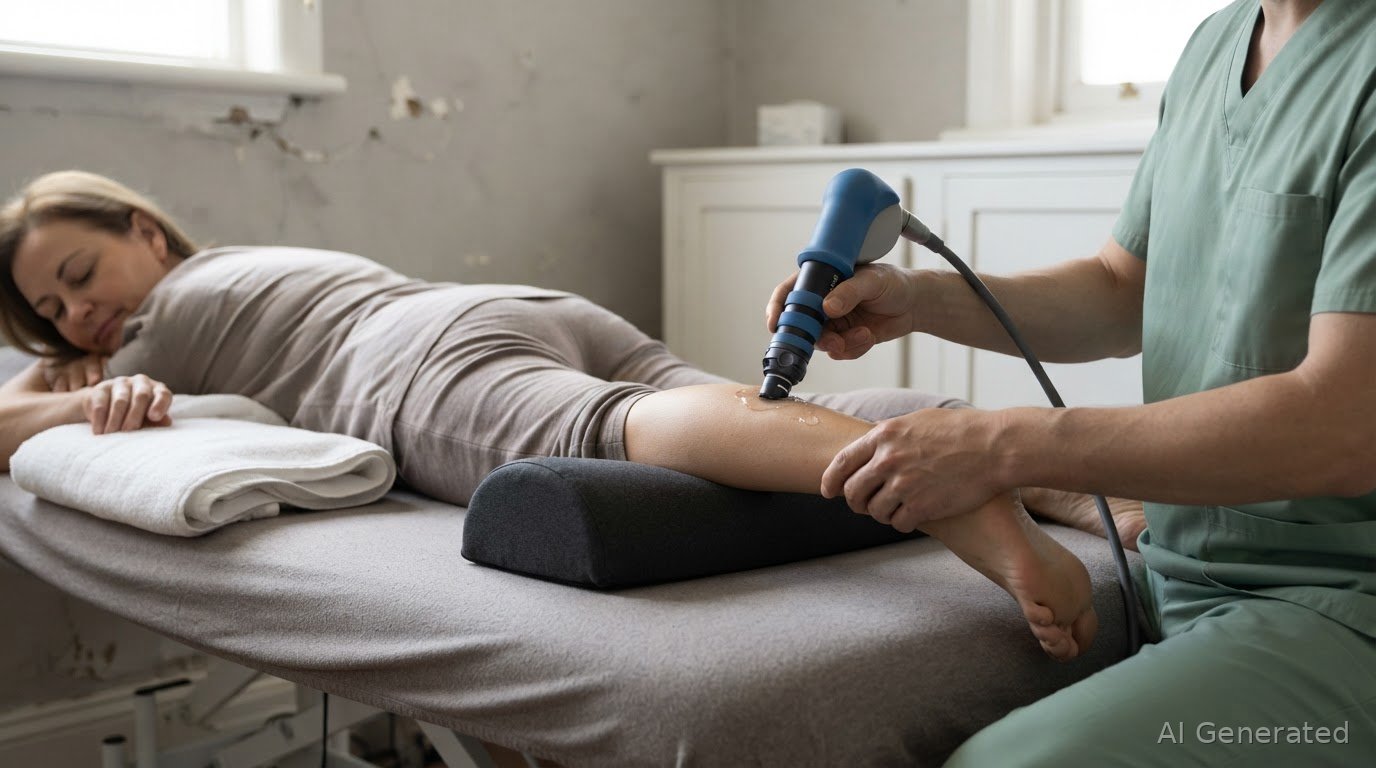
Podiatry care for hypermobility-related pain or instability can include assessment of foot and ankle movement, gait analysis and a discussion of suitable management. Care may also involve strengthening foot, ankle and leg muscles to support joint stability.
Hypermobility and foot function
Hypermobility is associated with flatter feet, and the rearfoot, midfoot and great toe joints may move more than normally expected. This movement can affect how the foot functions during standing and walking. Flexible ligaments may offer less structural support, while muscles work harder to help stabilise joints.
Joint movement into extreme ranges can increase the risk of sprains, strains and dislocations. A podiatrist considers these possibilities alongside your symptoms and movement patterns, rather than treating flexibility alone as a problem. The assessment helps identify which foot and lower-limb concerns need attention.
Management depends on the concern identified. A podiatrist may assess the foot, ankle and shin, then discuss options such as strengthening exercises or orthotic support. A plan for ankle instability, for example, may focus on muscle support and function, while shin discomfort calls for assessment of the affected area and activities that provoke symptoms.
Diabetes foot care is a separate but relevant part of podiatry. A Diabetes Foot Assessment focuses on foot health for people with diabetes, while care for hypermobility addresses movement, stability and musculoskeletal symptoms. If you have both diabetes and hypermobility, each concern should be considered in the context of your overall foot health.
Funding arrangements are separate from clinical treatment. Active Footcare provides NDIS Podiatry Services for Self-managed or Plan-managed participants. Private health insurance and care-plan arrangements depend on your cover and circumstances, so there is no single funding answer for every patient or treatment plan.
For foot and lower-limb care, a useful starting point is to describe where discomfort occurs, which activities affect it and whether the concern involves pain, instability or both. That information helps the podiatrist focus the assessment and discuss appropriate options. For diabetes-related concerns, a dedicated Diabetes Foot Assessment addresses a different set of clinical needs.
Practitioner credentials and Ehlers-Danlos Society involvement
For Campbelltown patients, relevant podiatry experience means understanding how hypermobility can affect foot and ankle function. Look for clinical knowledge supported by focused education, research or professional involvement.
Experience varies between practitioners, so a useful appointment discussion centres on the clinician’s work with hypermobility-related symptoms. For Ehlers-Danlos syndrome, the podiatrist’s role is to assess relevant foot and lower-limb concerns.
Practitioner credentials
In Australia, podiatrists are regulated by the Australian Health Practitioner Regulation Agency (AHPRA). Registration provides a baseline for professional practice, while a practitioner’s additional learning and research can show further engagement with a clinical topic.
For example, a PhD focused on joint hypermobility demonstrates dedicated academic study. Paediatric podiatry experience can also be relevant when assessing children’s symptoms, movement and everyday function. These credentials complement, rather than replace, an individual clinical assessment.
Relevant clinical experience
Research into symptomatic hypermobility can help practitioners understand how foot and ankle concerns appear in clinical settings. Experience with children matters because symptoms may affect sport, school activities or walking. Ask how the practitioner connects these concerns with the physical assessment and management plan.
Professional involvement also offers context. The Australian Paediatric Podiatry Group, for example, is relevant to paediatric practice. The Ehlers-Danlos Society’s International Consortium brings together international expertise in Ehlers-Danlos syndromes and related conditions. Collaboration with that consortium occurs monthly for one practitioner described in the field.
Ehlers-Danlos syndrome and joint hypermobility are related topics, but a podiatry appointment focuses on the foot and lower-limb effects relevant to you. A practitioner can consider symptoms such as foot discomfort, ankle instability or difficulty with sports, then assess how movement may contribute. This keeps the discussion grounded in your reason for seeking podiatry care.
If you’re looking for a Campbelltown podiatrist for hypermobility or Ehlers-Danlos syndrome-related concerns, focus on whether the assessment addresses your foot and ankle movement. A podiatrist can explain how their findings relate to the symptoms you describe during your appointment.
Research credentials can add useful context. A practitioner who began studying symptomatic hypermobility in children in 2017 and completed a PhD in joint hypermobility in 2024 has pursued the topic over time. An invitation to speak at the Ehlers-Danlos International Conference in Rome in 2022 is another example of professional engagement, not a guarantee of a particular treatment result.
Sports participation, age and symptom patterns can all shape what a podiatrist needs to assess. A child whose ankle symptoms affect sport, for instance, may need the practitioner to consider both foot mechanics and activity demands. Sharing these details helps connect the assessment with the concern being addressed.
Hypermobility Spectrum Disorder
Hypermobility describes joints moving beyond their typical expected range. For some people, increased movement occurs alongside problems such as pain, fatigue or instability. The term Hypermobility Spectrum Disorder (HSD) is relevant when symptoms affect everyday function, including walking, sport or standing.
Joint flexibility alone does not explain every person’s symptoms. A podiatrist considers how your feet and lower limbs function, and whether movement relates to a specific concern. Recurring ankle instability during walking, for example, provides different clinical context from flexibility without discomfort. This distinction helps focus assessment on the problems affecting you.
Symptoms can involve different joints. Knees, ankles and shoulders are identified as common sources of symptoms in generalised joint hypermobility. In the feet, increased movement may affect how you stand or walk. Ongoing or chronic discomfort deserves attention as a symptom, while its cause needs to be considered in the context of the whole clinical picture.
Hypermobility is also reported in population studies. An estimated 10% to 15% of children have hypermobile joints, and one study found joint hypermobility in 12.5% of a university-aged population. These figures describe groups, not an individual patient’s diagnosis. A person’s symptoms, function and clinical assessment matter more than a population estimate.
A 2025 case-control study compared 27 children with generalised joint hypermobility with 25 matched controls. The hypermobile group had significantly higher internal hip rotation, Q-angle, ankle range of motion and foot posture index. These findings offer examples of measures used in research, but they do not establish what is causing an individual child’s foot or ankle problem.
When hypermobility affects foot function, podiatry can assess movement and musculoskeletal concerns, then discuss management such as strengthening foot, ankle and leg muscles. The focus is practical: does instability or discomfort affect walking, school activities or sport? Treatment decisions should relate to identified needs, rather than flexibility alone.
Hypermobility may also appear alongside other health concerns. Connected Health Alliance lists dysautonomia, mast cell activation syndrome and vascular compression syndromes as common comorbidities. This does not mean every person with HSD has these conditions. Your broader health context can be relevant when discussing persistent symptoms and care.
People with hypermobility in 4 or more joints are advised to talk to their family doctor. A podiatrist can focus on foot, ankle and lower-limb function, while the family doctor can consider broader health questions. This coordinated understanding helps keep treatment centred on the patient’s symptoms, movement and day-to-day problems.
Active Foot Care: Podiatrist Home Visit
Active Foot Care’s Podiatrist Home Visit brings podiatry care to your home when travelling to an appointment is difficult. If you’re managing foot or ankle concerns alongside hypermobility, a home visit offers a practical way to discuss your symptoms and assessment needs with a podiatrist.
Depending on your needs, care may also include gait analysis to examine how you walk or run, or individually manufactured, tailored custom orthotics based on personal assessment. People with diabetes can access a diabetes foot assessment, while NDIS podiatry services are available to self-managed or plan-managed participants.
If getting to a clinic is difficult, Active Foot Care offers podiatrist home visits. Contact the team to discuss podiatry care for your foot and ankle concerns.
Take the next step towards more comfortable movement
Choosing a podiatrist specializing in hypermobility in Campbelltown can help you understand what may be affecting your comfort and confidence in movement. At your appointment, explain which activities matter most to you, such as walking through the day, returning to sport or managing daily tasks with less discomfort. Your priorities help shape a discussion about care that fits your needs, rather than focusing only on a clinical finding.
It can also help to describe how symptoms affect your routine and what you hope to do more comfortably. These details give your podiatrist useful context for discussing possible next steps. Active Foot Care can support you in considering podiatry care suited to your concerns. Contact Active Foot Care to discuss your needs, and take the next step towards feeling more confident about your foot and ankle care.
Frequently Asked Questions
How can a Podiatrist help?
A podiatrist can assess foot and ankle concerns and discuss care around your movement goals. If standing at work is uncomfortable, for example, explain when symptoms occur and which tasks are affected. The podiatrist considers this context alongside clinical findings when discussing suitable management. If symptoms extend beyond the feet and ankles, they can clarify which concerns fall within podiatry care.
What can podiatrists treat?
Podiatrists assess and manage a range of foot and ankle concerns, including musculoskeletal problems, skin and nail conditions, gait concerns, diabetes-related foot needs and wounds. Examples include heel pain, an ingrown toenail or a change in walking comfort. They can also assess some foot and ankle concerns associated with autoimmune conditions. Appropriate care depends on the problem being assessed and your symptoms.
What are the qualifications and professional registrations of local podiatrists treating hypermobility?
In Australia, podiatrists are regulated by the Australian Health Practitioner Regulation Agency (AHPRA). Registration is the key professional credential to understand when looking for podiatry care. Additional research or clinical experience in hypermobility can offer relevant context, but it is distinct from registration. For Campbelltown patients, the practitioner’s experience with your specific foot or ankle concern can also inform the appointment.
How can someone check whether a podiatrist is experienced with hypermobility before booking?
Review the practitioner’s published clinical interests, research and professional education for relevant hypermobility experience. A podiatrist specialising in hypermobility in Campbelltown should be able to relate their assessment to the concern you bring, such as recurring ankle symptoms during work or sport. Before attending, note any previous assessment findings and the activities affected. These details help make the appointment focused and relevant to your needs.
What treatments or orthotics are commonly recommended for hypermobility-related foot problems, and what are their risks?
Care may include custom orthotics, supportive footwear advice or exercises selected to address your symptoms and function. Orthotics are individually manufactured and tailored based on personal assessment, rather than used automatically for every flexible foot. A device that creates pressure or discomfort needs clinical review. Your podiatrist can explain its intended role and discuss comfort and follow-up, so the plan stays responsive to your needs.
Comments